
دراسة علمية ازمة الرواتب واثرها على التعليم
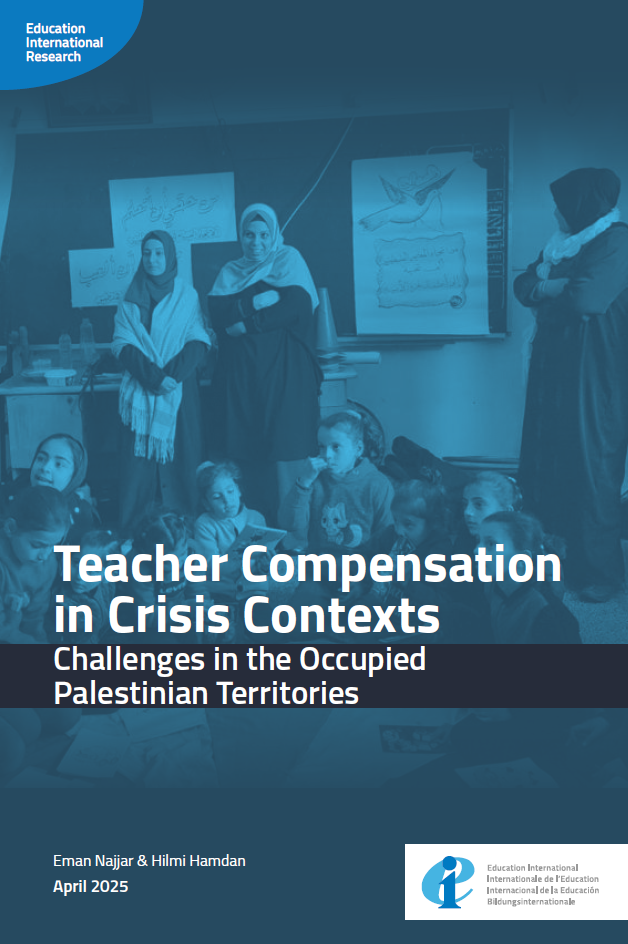
دراسة علمية ازمة الرواتب واثرها على التعليم
تهدف هذه الدراسة إلى استقصاء العوامل الأساسية التي تسهم في عدم انتظام صرف الرواتب في فلسطين خلال حالات الطوارئ، وتحديد التدخلات المحتملة لمعالجة هذه المشكلة، وتقييم تداعيات عدم الاستقرار المالي على جودة التعليم.
تم استخدام منهجية مختلطة تجمع بين الأساليب الكمية والنوعية. بالنسبة للمكون الكمي، تم اعتماد تصميم بحث وصفي باستخدام استبيان لقياس تأثير عدم انتظام رواتب المعلمين على جودة التعليم. أما المكون النوعي، فقد اعتمد على المقابلات الفردية ومجموعات التركيز كأدوات لجمع البيانات.
تضمن عينة الدراسة معلمين، ومديري مدارس، وصناع سياسات من وزارة التربية والتعليم العالي الفلسطينية، وصناع سياسات من وزارتي المالية والاقتصاد الفلسطينيتين، ومسؤولين من منظمات مانحة تدعم قطاع التعليم الفلسطيني. اشتملت العينة الكمية على 1592 معلماً، في حين شملت العينة النوعية 15 مقابلة فردية ومجموعتي تركيز: الأولى مع 12 معلماً، والثانية مع 15 مدير مدرسة.
كشفت النتائج أن أزمة الرواتب في فلسطين، وبخاصة رواتب المعلمين، تنجم عن سياسات الاحتلال الإسرائيلي، واعتماد الاقتصاد الفلسطيني على المساعدات الخارجية، وزيادة أعداد المعلمين، والظروف الاقتصادية والسياسية الصعبة التي تواجهها السلطة الفلسطينية. من بين التدخلات المحتملة لحل مشكلة عدم انتظام الرواتب زيادة المنح والمساعدات الدولية، والاقتراض، وإعادة تفعيل “اتفاقية الصندوق الدوار” التي تتيح للاتحاد الأوروبي تغطية عائدات الضرائب المحجوزة من قبل الاحتلال كقرض دون فوائد.
كما أبرزت النتائج تأثير عدم انتظام الرواتب على جودة التعليم؛ حيث إن المدفوعات غير المنتظمة تعيق بشكل كبير قدرة المعلمين على أداء واجباتهم بفعالية، وتؤثر سلباً على العلاقات بين المعلمين والطلاب، وتربك ديناميكيات الصفوف الدراسية. تم رصد اختلافات بناءً على الجنس والعمر؛ إذ شعر المعلمون الذكور بتأثير أكبر على عملهم مقارنة بالإناث. كما أفاد المعلمون الذين تتراوح أعمارهم بين 41-50 عاماً والذين تجاوزت أعمارهم 50 عاماً بتأثير أكبر على علاقاتهم مع الطلاب مقارنة بالمعلمين الأصغر سناً. أظهر اختبار ANOVA أحادي الاتجاه عدم وجود فروق ذات دلالة إحصائية في التأثير بناءً على سنوات الخبرة التدريسية.
تضمنت التدخلات المقترحة للتخفيف من هذه الآثار برامج تطوير مهني لمساعدة المعلمين على إدارة الضغوط، وبرامج حوافز، ومبادرات لتعزيز مشاركة المجتمع.
بناءً على هذه النتائج، تم تقديم مجموعة من التوصيات: توحيد الجهود على المستويات العالمية والإقليمية والوطنية لدعم رواتب المعلمين، واستكشاف آليات لضمان الاستقرار المالي خلال الأزمات، بما في ذلك تفعيل شبكة أمان مالي و/أو إعادة تفعيل اتفاقية “الصندوق الدوار”، وتخفيف العبء المالي على المعلمين، وتقديم حوافز معنوية ومادية للمعلمين في ظل أزمة الرواتب المستمرة، وضمان الشفافية في التواصل وصرف المتأخرات المالية.
This study aims to investigate the primary factors contributing to irregular salary disbursements in Palestine during emergencies, identify potential interventions to address the issue, and evaluate the consequences of financial instability on the quality of education.
A mixed-methods approach was employed, combining quantitative and qualitative methodologies. For the quantitative component, a descriptive research design was adopted using a questionnaire to measure the influence of irregular teacher salaries on education quality. The qualitative component utilizes individual interviews and focus groups as data collection tools. The study sample included teachers, school principals, policymakers from the Palestinian Ministry of Education and Higher Education, policymakers from the Palestinian Ministries of Finance and Economy, and officials from Donor organizations supporting Palestine’s education sector. The quantitative sample comprised 1592 teachers, while the qualitative sample included 15 individual interviews and two focus groups: one with 12 teachers and another with 15 school principals.
The results revealed that the salary crisis in Palestine in general and specifically teachers’ salaries result from Israeli occupation policies, the Palestinian economy’s reliance on external aid, an increase in the number of teachers, and the challenging economic and political conditions faced by the Palestinian Authority) (PA). Potential interventions to resolve irregular salary issues include increasing international grants and aid, borrowing, and reactivating the "Revolving Fund Agreement". The latter allows the European Union to cover tax revenues withheld by the Israeli occupation as an interest-free loan. The findings also highlighted the impact of irregular salaries on education quality: irregular payments significantly hinder teachers’ ability to perform their duties effectively, strain teacher-student relationships, and disrupt classroom dynamics. Gender and age-based differences were observed, with male teachers perceiving a more pronounced impact on their work. Teachers aged 41–50 and those over 50 reported greater effects on their relationships with students compared to younger teachers. A one-way ANOVA test indicated no significant differences in impact based on teaching experience.
Proposed interventions to mitigate these effects include professional development programs to help teachers manage stress, incentive programs, and community engagement initiatives. Based on these results, a set of recommendations is made: Unite efforts globally, regionally, and nationally to support teachers' salaries, explore possible mechanisms to ensure financial stability during crises, including the activation of a financial safety net and/or the reactivation of the “Revolving Fund” agreement, reduce teachers’ financial burden, provide moral and material support incentives for teachers amidst the ongoing salary crisis, and ensure transparent communication and disbursement of salary arrears.